
200 Years of Photography – and Capturing Light for Eternity
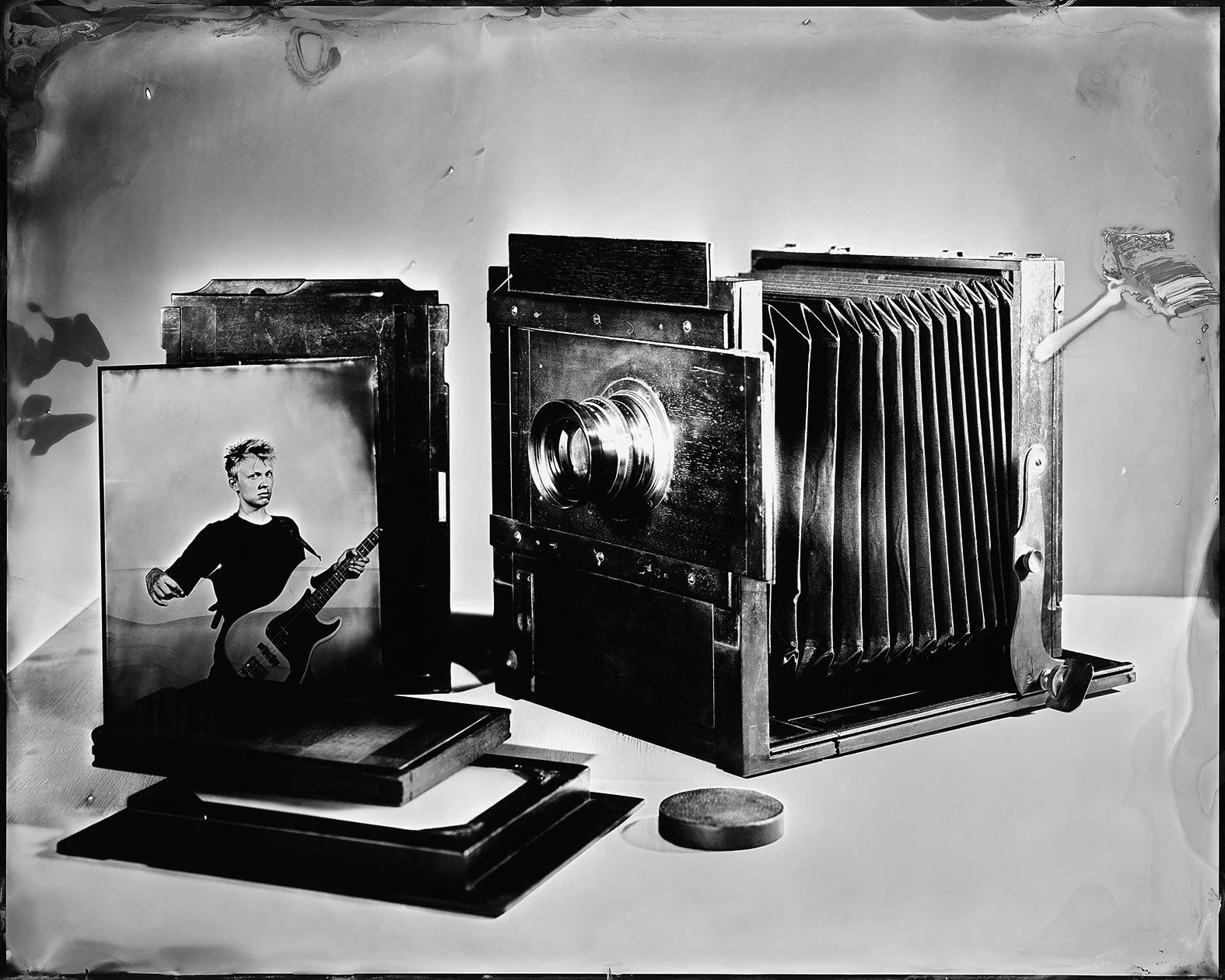
The 200th anniversary of photography slipped past us almost unnoticed last week. What began with the oldest surviving heliograph – created by Joseph Nicéphore Niépce in 1826 – evolved into a sweeping commercial success story thanks to further developments by Louis Jacques Mandé Daguerre.
To do justice to this historical evolution, one must of course also mention the English-born William Henry Fox Talbot, who, just a few years later, came to be regarded as the father of the negative-positive process.
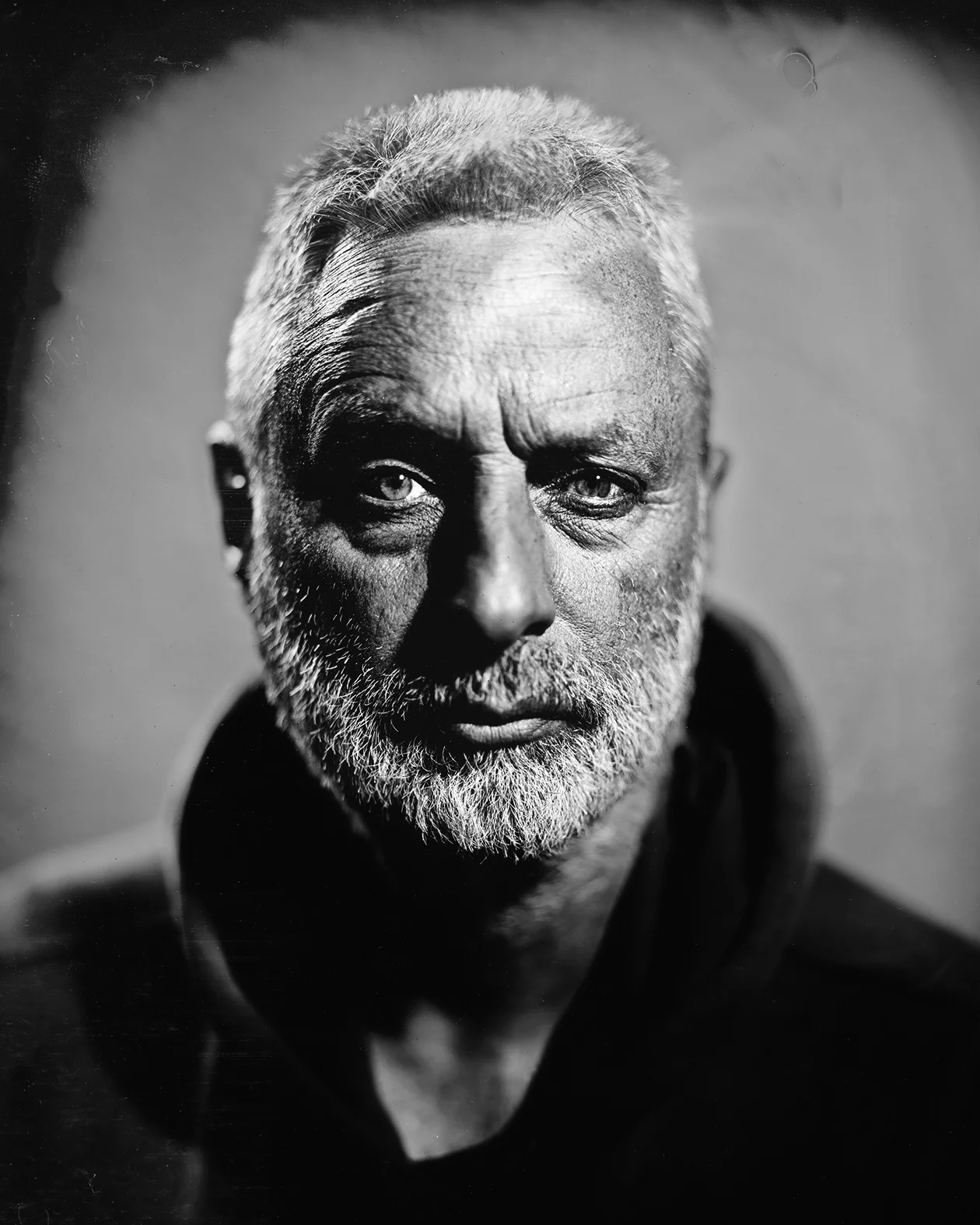
Today, more than ever, wet-plate photography is enjoying growing popularity in the fields of portraiture and fine art. Unique, one-of-a-kind images created using historical photographic processes have become a key part of a fantastic creative scene. We are proud to play a small part in this movement. Many of our units – ranging from older Hensel 6000Ws generators to the current Hensel Tria 6000 S – are used in wet-plate studios around the world to ensure reproducible results with this historical process. Certain specialized flash tubes are particularly well-suited to wet-plate photography thanks to their spectral characteristics.
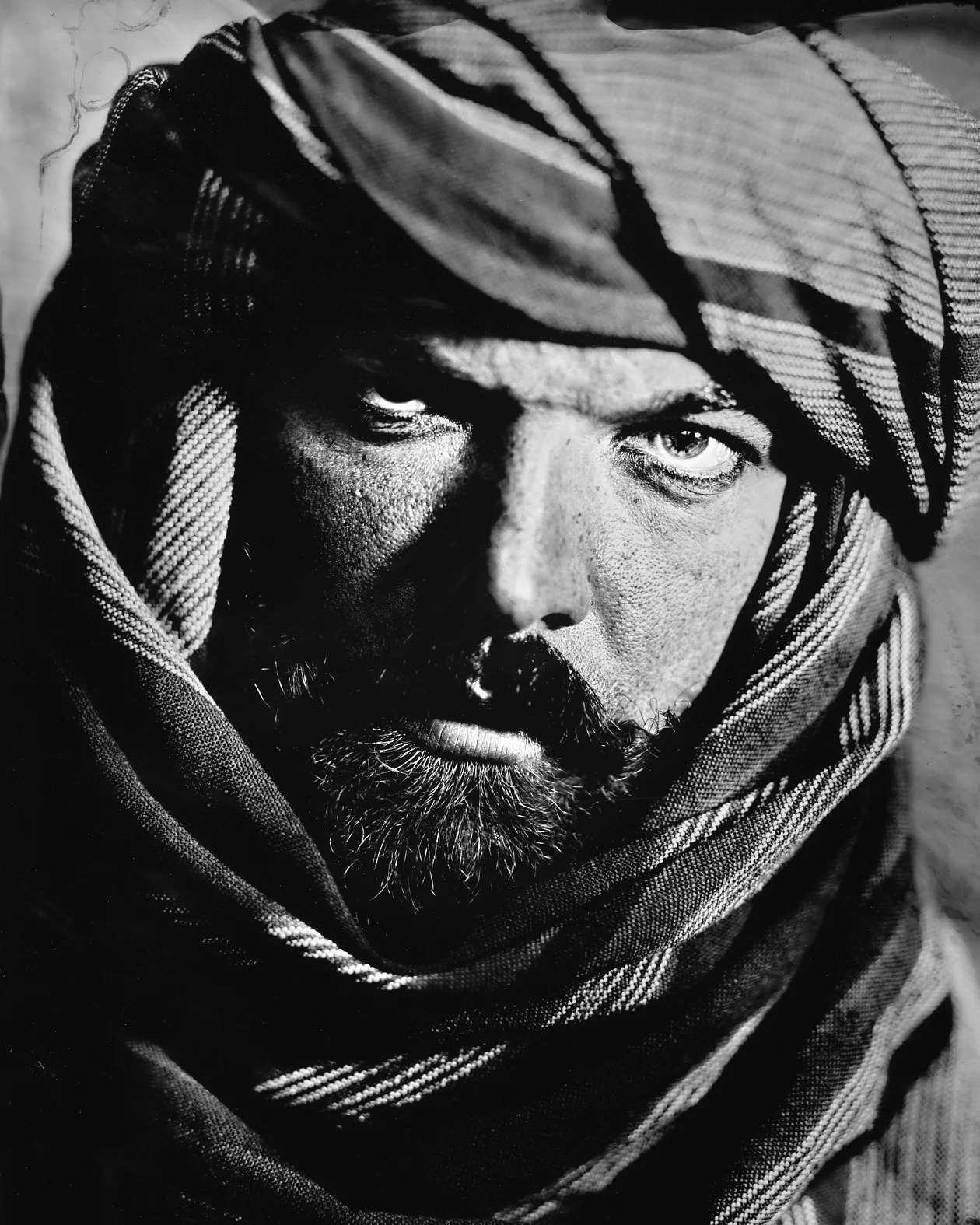
We would like to thank Wolfgang Riess for providing the photos in this post. You can find more at riess-wetplate.com
Let’s keep photography up and running for the next 200 years!